
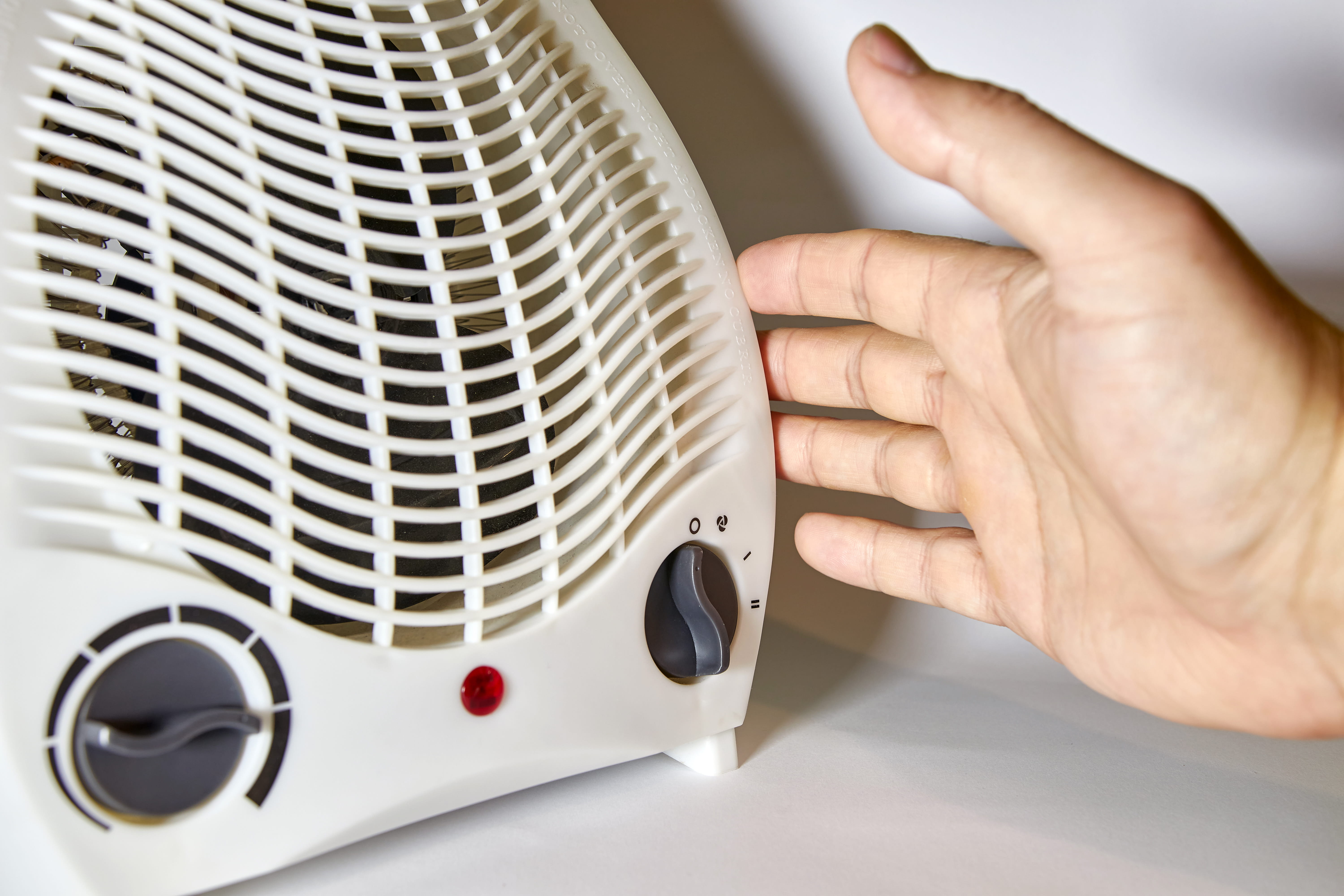
Winter brings colder temperatures, longer nights, and increased fire risk for homes and businesses. As heating systems are switched on, portable heaters are used more often, and people spend more time indoors, the likelihood of fire incidents rises significantly.
If you are wondering how to prevent fires during winter in Shropshire or are seeking practical cold-weather fire safety tips, this guide is designed to provide you with clear, actionable advice.
In this blog, our fire safety experts explain the most common winter heating fire hazards, how to reduce the fire risk in Shropshire homes, and what steps property owners and managers should take to stay compliant and protected throughout the colder months.
Why do fire risks increase during winter?
Winter fire incidents increase every year across the UK. Colder weather leads to higher reliance on heat sources, many of which can become dangerous if poorly maintained or incorrectly used.
Common reasons fire risk rises during winter include:
✓ Increased use of heating appliances and fireplaces
✓ Greater strain on electrical systems
✓ Use of portable heaters and electric blankets
✓ Reduced ventilation due to closed windows and doors
✓ Older buildings with outdated fire protection measures
Our County has a high number of rural properties, listed buildings, and mixed-use commercial spaces. These property types often have unique layouts and ageing infrastructure, which can increase vulnerability if winter fire safety is not reviewed regularly.
How can I prevent fires during winter in Shropshire?
Preventing fires during winter starts with awareness and proactive maintenance. Below are the most effective steps you can take to reduce seasonal risk.
Are heating systems a major winter fire hazard?
Yes, heating systems are one of the leading causes of winter fires.
Central heating and fixed systems
All boilers, furnaces, and fuel-burning appliances should be serviced annually by a competent professional. Faulty heating systems can overheat, leak fuel, or produce carbon monoxide.
Key prevention tips:
✓ Book annual servicing before winter begins
✓ Keep vents and flues clear of debris
✓ Never block radiators or air vents
✓ Ensure carbon monoxide alarms are installed and tested
Portable heater safety tips for winter
Portable heaters are convenient but pose a serious fire risk when misused. They are a frequent cause of winter fires in both residential and commercial settings.
Follow these portable heater safety tips:
✓ Keep heaters at least one metre away from furniture, curtains, and bedding
✓ Never use heaters to dry clothes
✓ Switch heaters off when leaving the room or going to sleep
✓ Avoid using heaters with extension leads
✓ Choose models with tip-over protection and automatic shut-off
Portable heaters should only be used as a temporary solution, not as a primary heat source.
What are the fire risks from fireplaces and log burners?
Fireplaces, wood burners, and open fires are popular during winter, especially in rural and period properties. However, they are a major source of seasonal fires if not properly maintained.
Chimney fire prevention in winter
Poor chimney maintenance leads to the build-up of soot and creosote, which are highly flammable.
Effective chimney fire prevention includes:
✓ Having chimneys swept at least once a year
✓ Using a fireguard to prevent sparks from escaping
✓ Never leaving fires unattended
✓ Allowing ashes to cool fully before disposal
✓ Burning only appropriate fuels recommended for your appliance
If you operate a commercial premises with a solid fuel appliance, chimney maintenance is not optional and should be documented as part of your fire safety management.
Are electric blankets and appliances a winter fire risk?
Yes, electric blankets and overloaded electrical outlets contribute to many winter fire incidents.
Safe use of electric blankets
Electric blankets should be checked regularly for wear, damage, or overheating.
Safety guidance includes:
✓ Do not use blankets older than ten years
✓ Store blankets flat or loosely rolled, never folded tightly
✓ Do not use hot water bottles with electric blankets
✓ Switch off and unplug before sleeping unless designed for overnight use
Electrical overload and winter appliances
Winter often means more devices running at the same time, including heaters, lighting, and cooking equipment.
Reduce risk by:
✓ Avoiding overloaded sockets
✓ Using surge-protected extension leads where necessary
✓ Replacing damaged plugs or cables immediately
✓ Having periodic electrical inspections in commercial and rental properties
What role do fire alarms play in winter fire safety?
Early detection is critical during winter, when fires can spread rapidly due to closed environments.
Fire alarms should be:
✓ Installed on every level of a building
✓ Tested weekly in commercial properties
✓ Maintained in line with British Standards
Commercial systems should comply with BS5839-1:2017, while domestic systems should comply with BS5839-6:2019+A1:2020.
If your system has not been tested recently, winter is the time to act.
Explore Our Fire Alarm Installations
Why is emergency lighting especially important in winter?
Power cuts are more common during winter storms, making emergency lighting essential for safe evacuation.
Emergency lighting ensures:
✓ Clear visibility in smoke or darkness
✓ Safe evacuation during power failure
✓ Compliance with fire safety legislation
Systems should be inspected every six months and fully tested annually in line with BS5266-1.
Explore Our Emergency Lighting Services
How do fire extinguishers reduce winter fire risk?
Fire extinguishers provide a vital first line of defence, especially during winter when heating-related fires are more likely.
Best practice includes:
✓ Correct extinguisher types for specific risks
✓ Clear signage and accessibility
✓ Annual servicing by a competent engineer
✓ Regular visual checks by the responsible person
Fire extinguisher servicing should follow BS 5306-3:2017.
Find Out More About Our Fire Extinguisher Services
Do landlords and businesses have extra winter fire safety duties?
Yes, landlords and commercial property managers have a legal duty to protect occupants, particularly during high-risk winter months.
A fire risk assessment should:
✓ Identify seasonal hazards such as heating equipment and electrical overload
✓ Assess vulnerable occupants
✓ Review escape routes and lighting
✓ Be reviewed if usage patterns change in winter
If your assessment has not been reviewed recently, it may no longer reflect winter risks accurately.
Learn More About Our Fire Risk Assessments
Learn How We Conduct Fire Risk Assessments
What winter fire safety checks should Shropshire properties complete?
A simple winter checklist includes:
✓ Test smoke and carbon monoxide alarms
✓ Service heating systems and chimneys
✓ Inspect electrical appliances and cables
✓ Review fire risk assessments
✓ Ensure extinguishers and alarms are serviced
✓ Check emergency lighting functionality
Still Have Questions? Speak With An Expert Today
Stay safe this winter with expert fire safety support in Shropshire
Winter fire safety is not about reacting to incidents; it is about preventing them before they happen. By addressing winter heating fire hazards, improving detection systems, and reviewing risk assessments, property owners can significantly reduce danger during the cold months.
If you are unsure whether your property is adequately protected, our experienced engineers are here to help.
Call us today on 01743 612007
Email: brendanalton@amg-firesolutions.co.uk
Or use our contact form to book your free fire safety consultation.