
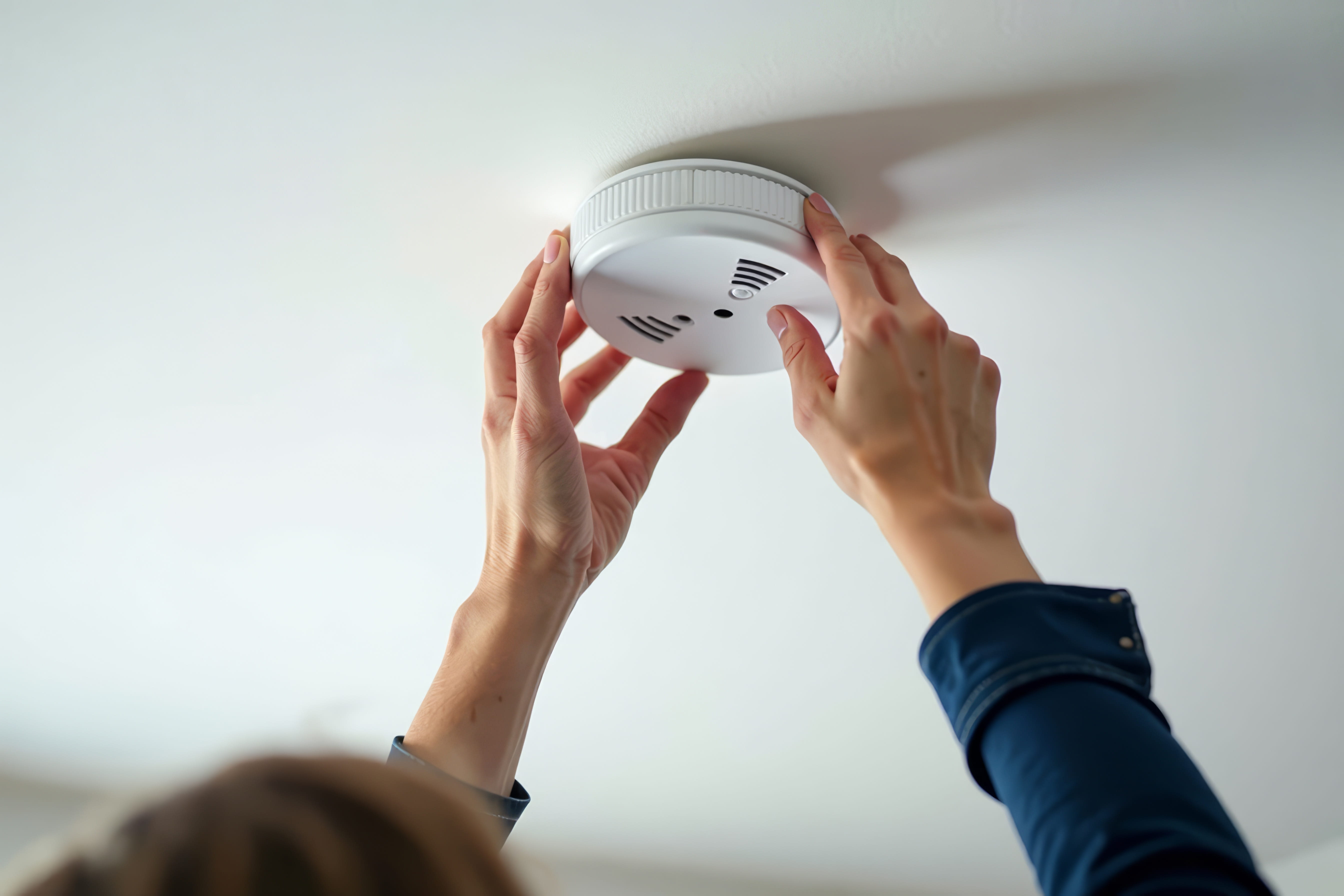
Residential fire safety is not a luxury; it is a necessity. For homeowners, landlords, and property managers across Shropshire, installing a compliant fire alarm system is one of the most important steps to protect life, property, and legal compliance. Whether you are fitting alarms in a new build, upgrading outdated detectors, or preparing a home for tenants, this guide explains everything you need to know.
In this blog, we cover how residential fire alarm systems are installed, what regulations apply, which alarm types are best for different rooms, and why BS5839-6:2019+A1:2020 compliance is essential in UK homes.
Why are residential fire alarms important?
Fires in homes can spread rapidly, especially when undetected. According to UK government data, you are twice as likely to die in a house fire without a working alarm.
Residential fire alarms offer:
✓ Early warning during sleep or absence
✓ Faster emergency response
✓ Greater protection for families and pets
✓ Compliance with landlord and HMO laws
What is BS5839-6 and why does it matter?
BS5839-6:2019+A1:2020 is the British Standard for fire detection and fire alarm systems in domestic premises. It sets out:
✓ Alarm categories and system grades
✓ Best practices for installation and design
✓ Recommendations for maintenance and testing
While not a legal requirement, BS5839-6 is the recognised best practice and often used to demonstrate due diligence in domestic settings.
What types of fire alarms are used in homes?
Smoke Alarms
Detect smoke particles and are suited to hallways, landings, living rooms, and bedrooms.
Heat Alarms
Ideal for kitchens and garages. They respond to temperature change, not smoke, avoiding false alarms.
Multi-Sensor Alarms
Combine smoke and heat detection. Recommended for most home installations due to faster response times and reduced false alarms.
Interlinked Alarms
When one alarm sounds, all others sound too. Required for full coverage in multi-storey homes and recommended for HMOs.
Find Out More About Our Fire Alarm Installations
Where should alarms be installed in a residential property?
As per BS5839-6, alarms should be installed:
✓ In the hallway and landing of each storey
✓ In all main living areas
✓ In all bedrooms (especially where people sleep with doors closed)
✓ Heat alarms in kitchens
Placement guidance:
✓ Mount on the ceiling, ideally at least 300mm from walls or light fittings
✓Avoid placing smoke detectors near bathrooms or cooking appliances
What are the steps to installing a residential fire alarm system in Shropshire?
Step 1: Initial Property Assessment:
An experienced engineer will survey the property layout, room usage, and existing infrastructure to determine alarm type, quantity, and placement.
Step 2: System Design
Using BS5839-6 guidelines, a fire alarm plan is developed for each floor and key risk area. This includes choosing alarm grades (D1, D2, etc.) and whether interlinked systems are required.
Step 3: Pre-Installation Checks
This includes confirming power access, wireless signal strength (for radio-interlinked systems), and safety compliance.
Step 4: Device Installation
Alarms are mounted in line with the system design, and wiring or wireless pairing is completed. Battery backup is included as standard.
Step 5: Testing and Commissioning
All alarms are tested to ensure they sound correctly, are linked (if required), and are audible throughout the property. The installer provides commissioning records and user instructions.
Step 6: Maintenance and Handover
The engineer advises on weekly testing, annual servicing, and device lifespan. Landlords receive service logs and tenant instructions.
What is the difference between DIY and professional installation?
While some detectors are sold for self-fit, a professional installation ensures:
✓ Full coverage and placement accuracy
✓ Proper system interlinking
✓ Compliance with BS5839-6
✓ Certification for insurers or landlords
Incorrect placement or mismatched devices can result in non-compliance or failed activation.
What if I own or manage an HMO property?
For Houses in Multiple Occupation (HMOs), more advanced systems may be required:
✓ Category LD1 or LD2 systems with interlinked alarms in all rooms
✓ Control panels or centralised alerting in larger properties
✓ Documentation for local authority compliance
If unsure, book a domestic fire risk assessment in Shropshire.
Explore All Domestic Fire Services
✓ Domestic Fire Alarm Installation
✓ Domestic Fire Risk Assessments
✓ How AMG Conducts a Fire Risk Assessment
✓ Emergency Lighting for Homes
Ready to upgrade your home fire safety in Shropshire?
Whether you're a homeowner in Shrewsbury or a landlord in Oswestry, AMG Fire Solutions Ltd offers professional, BAFE-certified residential fire alarm installation services tailored to BS5839-6 standards.
Email: brendanalton@amg-firesolutions.co.uk
Or use our contact form to book your free fire safety consultation.