
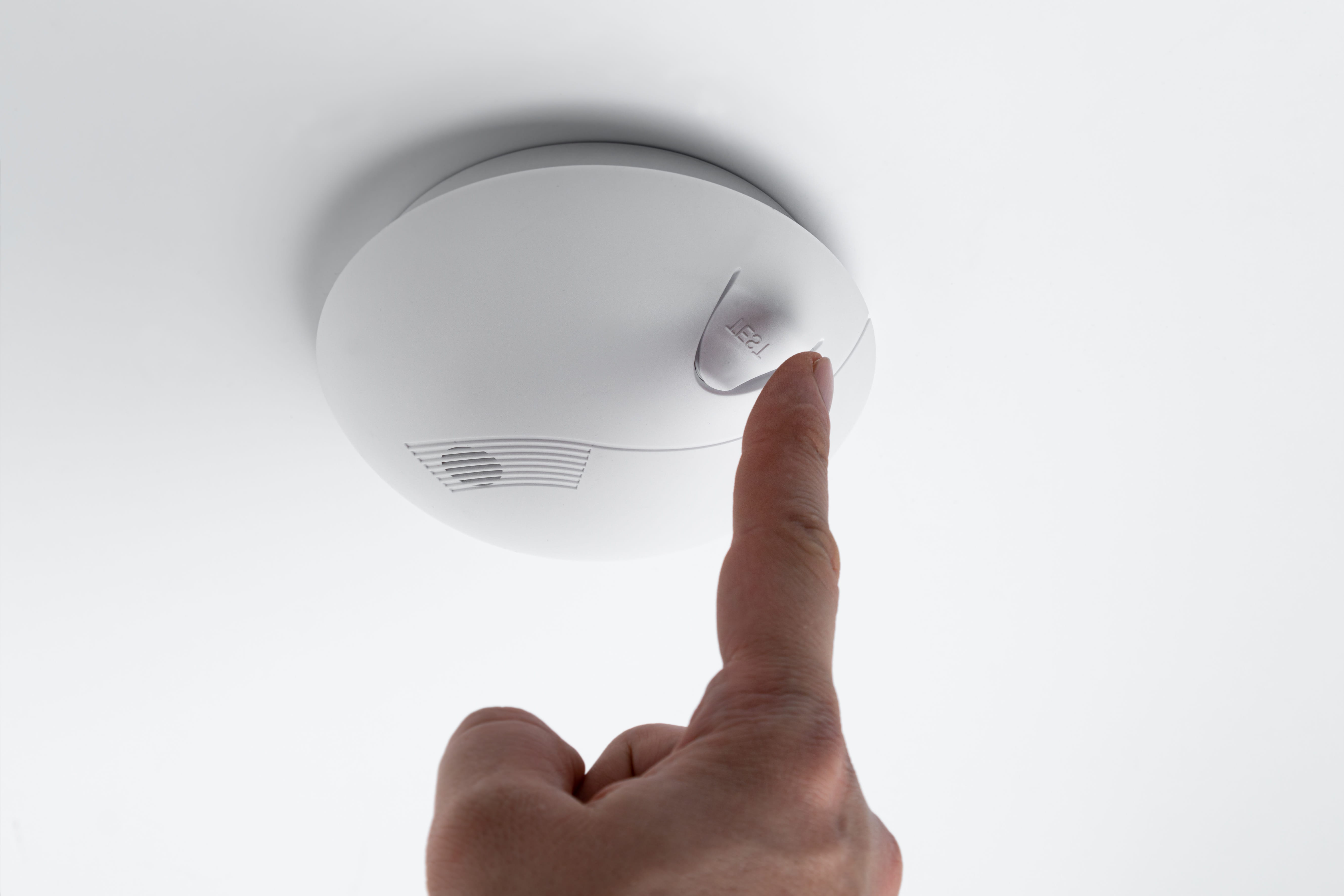
How Often Should Fire Alarms Be Tested in the UK? A Practical Guide for Businesses
If you are responsible for a commercial property, understanding how often should fire alarms be tested is not optional, it is a core part of staying compliant and protecting lives.
Many businesses assume their system is fine because it has never failed. In reality, faults often go unnoticed until a system is actually needed. By that point, it is too late.
This guide explains the correct fire alarm testing frequency, what the law expects, and what experienced fire safety professionals recommend in real-world environments.
How Often Should Fire Alarms Be Tested in the UK?
The widely accepted standard, based on BS5839 fire alarm testing requirements, is:
Weekly testing by a responsible person
Professional servicing every 6 months
Additional checks depending on building risk and usage
Why Is Weekly Fire Alarm Testing Recommended?
A weekly fire alarm test is not just a recommendation, it is a practical safeguard.
In working environments, systems are exposed to:
Dust from construction or machinery
Accidental interference or damage
Changes in layout or occupancy
Electrical faults or power issues
Weekly testing helps identify issues early, before they become serious risks.
What Weekly Testing Actually Achieves
Confirms the alarm can still be triggered
Ensures sounders are audible across the building
Reinforces staff awareness of alarm signals
Identifies faults quickly
In busy commercial settings, even small disruptions can impact system performance. A consistent testing routine keeps everything working as expected.
What Does a Fire Alarm Test Involve?
Many businesses assume testing is complicated, but it is designed to be simple.
A typical weekly test includes:
Activating a manual call point
Checking that alarms sound clearly
Confirming the control panel responds
Logging the test in your fire safety record
Each week, a different call point should be used to ensure full system coverage over time.
This is a straightforward process, but consistency is key. Missed tests are one of the most common compliance gaps.
How Often Should Fire Alarms Be Serviced by Professionals?
While weekly checks are essential, they do not replace professional servicing.
Fire alarm maintenance systems should be inspected at least every 6 months by a competent engineer.
During a service, engineers will:
Test all detectors and sounders
Check control panels and backup power supplies
Identify wear, faults, or outdated components
Ensure compliance with current standards
What Happens If Fire Alarms Are Not Tested Regularly?
This is where the risks become real.
Failure to follow proper fire alarm testing frequency can lead to:
Legal consequences under the Fire Safety Order
Increased risk to occupants
Insurance complications or rejected claims
System failure during an emergency
UK Government guidance outlines that fire detection systems must be maintained in efficient working order.
Common Mistakes Businesses Make with Fire Alarm Testing
From experience, many businesses are not intentionally non-compliant. They simply misunderstand what is required.
Common issues include:
Testing alarms inconsistently rather than weekly
Not recording tests in a logbook
Relying solely on annual servicing
Ignoring system changes after building alterations
Assuming the system works because it has not been triggered
These gaps often come to light during inspections or audits.
What Does UK Law Actually Say About Fire Alarm Testing?
The Regulatory Reform (Fire Safety) Order 2005 requires that:
Fire safety systems are maintained
Equipment remains in working order
Risks are regularly reviewed
The law does not specify exact testing intervals. However, BS5839 fire alarm testing requirements are widely used as the benchmark for compliance.
This means that following how often to test fire alarms in a business based on BS5839 is the safest and most widely accepted approach.
How Should Businesses Approach Fire Alarm Testing in Practice?
A practical approach is often more effective than a purely technical one.
A compliant routine should include:
Weekly alarm testing by a designated responsible person
6-month professional servicing
A clearly maintained fire safety logbook
Regular reviews following layout or operational changes
For larger or more complex premises, additional checks may be required.
The key is consistency and documentation, not complexity.
Why Compliance Alone Is Not Enough
From a professional perspective, focusing only on minimum compliance can be risky.
In real environments, systems are affected by:
Changes in building usage
Staff turnover
Environmental conditions
Wear over time
Testing should not be seen as a tick-box exercise. It is a way of ensuring your system performs under real conditions.
Businesses that treat fire safety as part of their operations, rather than an obligation, tend to have fewer issues during inspections and emergencies.
When Should You Review or Upgrade Your Fire Alarm System?
Testing alone is not always enough.
You should consider a review if:
Your building layout has changed
Your system is older or frequently faults
You have expanded or increased occupancy
You are unsure of your current compliance status
In these cases, a professional assessment or system upgrade may be required.
Need Help with Fire Alarm Testing or Compliance?
If you are unsure whether your current routine meets fire alarm maintenance requirements, it may be worth reviewing your system with a qualified provider.
You can explore fire alarm installation and maintenance services or contact a specialist for guidance on improving your setup.
Taking action early can prevent compliance issues and ensure your system works when it matters most.
Call us on 01743 664 551Email: brendanalton@amg-firesolutions.co.uk