How Businesses Can Reduce Fire Risk During Extreme Heat: Practical Steps To Protect Your Premises This Summer
Periods of extreme heat can increase fire risk for commercial premises, particularly where electrical equipment is working harder, combustible materials become drier, or outdoor areas are poorly managed. While much of the attention is on wildfires during hot weather, businesses also need to consider how rising temperatures could affect their own buildings, staff and day-to-day operations.
By taking a few practical precautions, you can reduce the likelihood of a fire starting, improve workplace safety and ensure your existing fire protection measures are ready should an emergency occur.
What Should Businesses Do During Extreme Heat?
The most effective way to reduce fire risk during extreme heat is to identify seasonal hazards before they become problems. That means checking outdoor areas, inspecting electrical equipment, maintaining fire safety systems and reviewing whether your current fire risk assessment still reflects how your premises are being used.
If your business already has good fire safety procedures in place, a few seasonal checks could make all the difference.
Why Hot Weather Can Increase Fire Risk
Extreme heat doesn’t create new fire hazards, but it can make existing ones much more dangerous.
Dry weather means combustible materials such as cardboard, timber, waste packaging and vegetation ignite more easily. At the same time, businesses often place additional demand on electrical systems by running air conditioning, refrigeration and cooling equipment for longer periods.
For many commercial premises, it’s the combination of these factors that increases risk rather than one single issue.
Businesses should pay particular attention if they operate:
Warehouses and distribution centres
Manufacturing or industrial facilities
Retail premises
Hospitality venues
Schools and educational buildings
Commercial offices
Properties with outdoor storage or waste areas
Five Practical Ways To Reduce Fire Risk This Summer
1. Check Outdoor Areas Regularly
External spaces are often overlooked during routine fire safety checks.
Remove dry vegetation, cardboard, pallets and unnecessary waste from around your building. Bins and skips should be positioned away from external walls wherever possible, reducing the chance of a small fire spreading to the premises.
If your business carries out outdoor work, make sure combustible materials are stored safely and access routes remain clear.
H2: 2. Inspect Electrical Equipment
Electrical faults remain one of the most common causes of workplace fires.
During periods of hot weather, cooling systems, refrigeration units and machinery may be running for much longer than normal.
Look out for:
Overloaded sockets
Damaged cables
Overheating equipment
Burning smells
Repeated electrical trips
Any faults should be investigated promptly by a competent person.
3. Review Your Fire Protection Systems
Fire protection systems should never be treated as a set-and-forget solution.
Now is a good opportunity to check that:
Fire alarms are functioning correctly
Emergency lighting remains operational
Fire exits are unobstructed
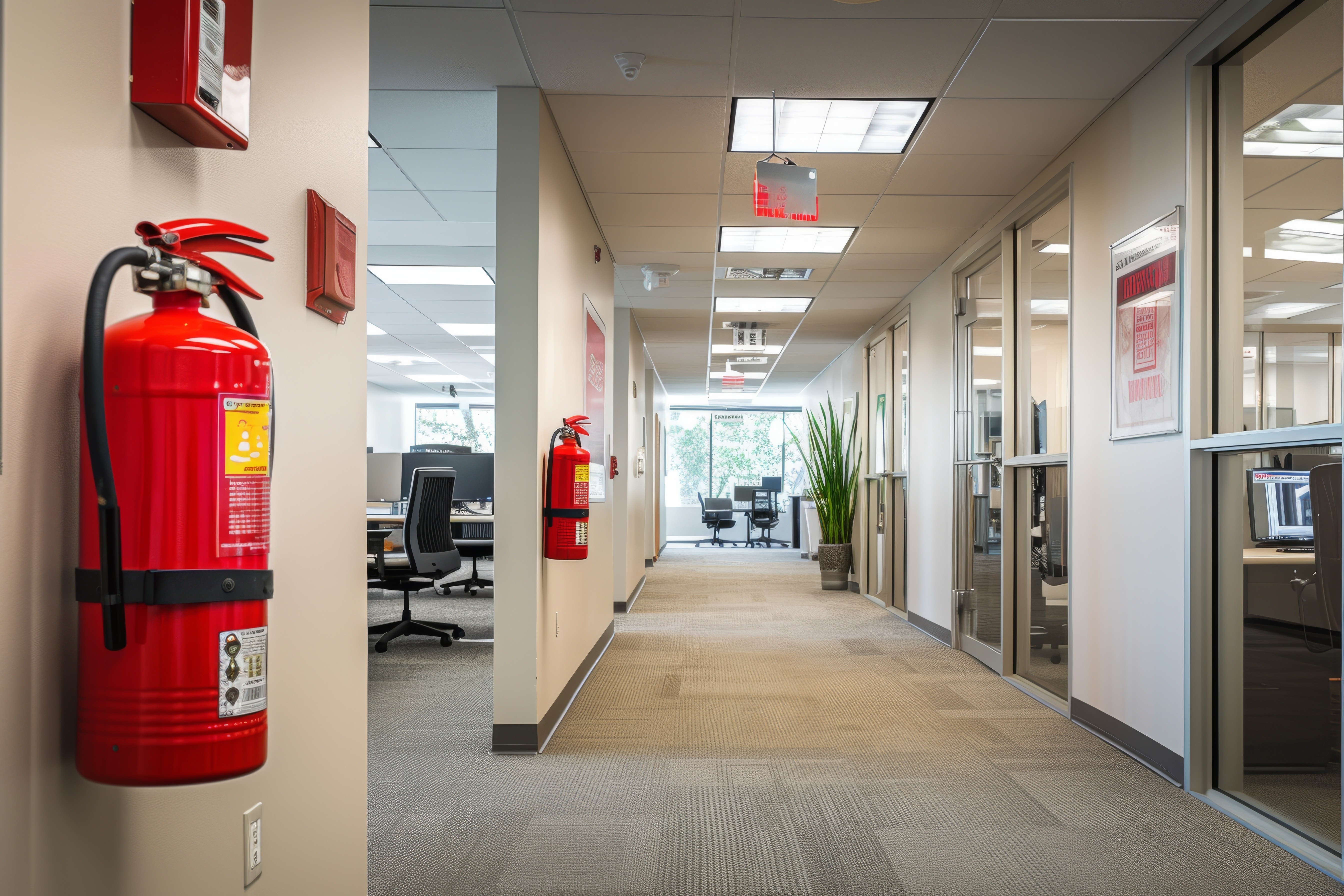
Fire extinguishers are accessible
Staff understand emergency procedures
Routine maintenance plays a vital role in ensuring these systems perform when they’re needed most.
If your fire alarm hasn’t been serviced recently, explore our commercial Fire Alarm Installation & Maintenance service.
4. Review Your Fire Risk Assessment
A fire risk assessment should reflect the way your building is currently used.
Hot weather alone does not automatically require a new assessment. However, if your business introduces temporary cooling equipment, changes working practices, increases outdoor storage or carries out seasonal work, it may be sensible to review whether additional precautions are needed.
Our guide explaining How AMG Conducts A Fire Risk Assessment provides more information about the process.
5. Keep Staff Informed
Even the best fire safety systems rely on people knowing what to do.
A short seasonal briefing should remind staff to:
Report overheating equipment
Keep fire exits clear
Dispose of smoking materials safely
Report damaged fire safety equipment
Follow evacuation procedures
Small reminders can help prevent avoidable incidents.
H2: Don’t Forget Fire Extinguishers & Emergency Lighting
Hot weather often focuses attention on preventing fires from starting, but businesses should also be prepared if an incident does occur.
Portable fire extinguishers should receive annual professional servicing, while emergency lighting should continue to receive routine inspections and six-month maintenance to help ensure escape routes remain visible during an emergency.
If you’re unsure when your equipment was last serviced, it’s worth checking before the hottest part of the summer.
Learn more about our:
A Simple Summer Fire Safety Checklist
Before temperatures rise further, ask yourself:
Have outdoor combustible materials been cleared?
Are electrical systems showing any signs of overheating?
Are fire exits clear and accessible?
Have fire alarms been tested recently?
Are fire extinguishers within their annual service period?
Is emergency lighting functioning correctly?
Have staff been reminded of emergency procedures?
Does the current fire risk assessment still reflect how the premises are being used?
If you answer “no” to any of these questions, it’s worth addressing the issue before it develops into a larger problem.
Frequently Asked Questions
Does Extreme Heat Mean I Need A New Fire Risk Assessment?
How Often Should Commercial Fire Alarms Be Serviced?
How Often Should Fire Extinguishers Be Serviced?
Can Hot Weather Affect Fire Alarm Systems?
Prepare Your Business Before The Next Heatwave
Extreme weather is becoming an increasingly important consideration for businesses across the UK. While you can't control the temperature outside, you can make sure your premises are prepared for the additional risks that hot weather brings.
Reviewing your fire safety arrangements before problems arise is often far easier and more cost-effective than responding after an incident.
If you'd like independent advice on your fire safety arrangements, AMG Fire Solutions can help with commercial fire risk assessments, fire alarm maintenance, annual fire extinguisher servicing and emergency lighting maintenance, giving you confidence that your premises remain protected throughout the year.
If you'd like to discuss your current fire safety arrangements or arrange a professional review, contact the AMG Fire Solutions team today.